
Building resilience through organisational agility
GC leadership: Boardroom insights part 3
Without practising agility, boards may find it difficult to initiate rapid responses to unexpected events, and struggle to pivot or innovate as their environment demands it. Embracing and embedding flexibility into everyday operations will ultimately strengthen an organisation’s ability to remain competitive in unpredictable markets.
Legal counsel can enable this agility by evaluating risks, gauging appetite, and helping to chart the appropriate course ahead so that boards can proceed with confidence. Achieving and maintaining organisational agility requires a team effort; drawing on broad experience and business knowledge and leaning on the skills and specialisms of advisors. General counsel have a key role in guiding and maintaining boards’ agility, supporting with strategic and operational advice that’s led by institutional and legal expertise.
But what does agility mean in this context? Beyond that – what are the main barriers to organisational agility, and what are the foundations that are needed to develop more fluid operations?
The foundations of organisational agility
For businesses, agility is about embracing and embedding change within everyday operations. By routinely practising adaptation to change, organisations can become better prepared to innovate and evolve as their environment demands it. Ultimately, this strengthens their ability to resist paralysis in the face of unpredictable markets and access competitive advantage.
A successful shift to more agile operations is underpinned by three key pillars:
Complacency is the antithesis of agility. Industries, sectors, or markets that have previously enjoyed a history of stable growth may be less adapted to rapid change. Strategising without action can now be seen as a luxury from a past age – today, businesses are often rewarded for their ability to ‘fail fast’, trying something new, analysing their mistakes and pivoting into the next opportunity. Operational agility strives to embrace experimentation, developing an appetite to ‘test and learn’ and to be creative while assessing the risks. Sixty-four percent of executives recognise that boards need to foster a test-and-learn culture to successfully navigate the next economy.
“More and more legal departments are facilitating a culture of experimentation at their organisation by leading the way. Adopting a ‘learn fast’ approach means that trying new things always brings something valuable - even if you end up delivering a different set of objectives than you expected.”
James Touzel
Partner, Head of Future Law, TLT
Hierarchies can limit visibility and create bottlenecks, ultimately slowing development. Businesses striving for agility may want to reorganise teams into flatter structures and empower them to run their own projects. Delegating ownership of decisions to local managers or leaders can encourage creativity, collaboration and enable multiple areas of a business to strive for growth simultaneously.
Quick decision-making and embracing failure are daunting when we don’t understand the potential risks. The rise of ‘greenhushing’ is a potent example of this: where organisations are so cautious about misreporting and litigation when it comes to sustainability, that they opt to not share anything at all. The key to unlocking this paralysis is information and understanding the risks and scenarios at hand. Building a team of trusted advisors with diverse perspectives can enable agility, and boards can support their decisions with the expertise and guidance of their legal resources.
Agility in practice
Opportunities for agility can present in different ways across sectors and industries. For leaders and advisors who want to push their organisations to become more flexible, first steps can include:
- Welcoming late-stage adjustments to an original scope to maximise competitive advantage.
- Reducing the scale of deliverables so that smaller batches of work can be developed more frequently, reducing risk while maintaining customer satisfaction.
- Working in cross-functional teams to break information silos and bring key stakeholders together.
- Putting motivated individuals at the front and centre of projects to improve drive and momentum.
- Seeking the simplest route to a solution rather than spending time and resources on unnecessary exploration.
Ultimately, long-term sustainable growth will likely go hand-in-hand with preparing for the unknown and being agile in the wake of turbulent markets, technological advancements and unforeseeable threats. When these kinds of actions are underpinned by a central cultural shift towards experimentation and empowerment, organisations can be ready for change, and more resilient for what comes next.

Get in touch







%20%C3%94%C3%87%C3%B4%20790px%20X%20451px%2072ppi21.jpg)
%20%C3%94%C3%87%C3%B4%20790px%20X%20451px%2072ppi%20London.avif)


%20%E2%80%93%20790px%20X%20451px%2072ppi%20LONDON9.jpg)
Related services
Get in touch
Insights & events

AI in Motion: Balanced algorithms - addressing bias in AI

Why work-related stress is a health and safety issue

From intention to action: ESG tips you can use from our podcast guests

Climate risks and stranded assets: Protecting your property portfolio

Aligning sustainability with opportunity: The business case for biodiversity net gain

How can carbon credits and insetting help you achieve your net-zero targets?

AI in Motion - How to make sustainable AI a reality

ESG as part of investment strategies - What pension trustees need to know

Preparing for change: turning the Employment Rights Bill into social ESG advantage

Employee Ownership - How an EOT can support your ESG agenda

Pub and bar: The growing importance of knowing your supply chain

Climate change risk - Five steps to assess climate risk across your real estate portfolio

Why nature-related risk is the next strategic priority for pension schemes

Climate transition plans - legal opinion on disclosure liabilities for directors and companies

Extended Producer Responsibility - hospitality sector in focus

Limiting construction's environmental footprint using climate conscious drafting



Retail Agility: Navigating the AI frontier in retail




Rethinking Hospitality: Embracing Challenges, Unlocking Growth




TLT advises Eolas Architects on transition to employee ownership

TLT advises The Guinness Partnership on £400 million real estate joint venture

ESG in Action: Nature recovery in action: What Belmont Estate can teach business

ESG in Action: Where capital meets conservation with Rebalance Earth

ESG in Action: How to work well in high-pressure environments with the Mindful Business Charter

ESG in Action: Turning clauses into climate action with The Chancery Lane Project

ESG in Action: From nice to necessary: The business case for wellbeing

ESG in Action: Financing change and changing finance with Triodos Bank

ESG in Action: Working better with Working Families: Flexibility in the workplace

ESG in Action: The future starts at school: Embedding sustainability early with The Green Britain Foundation

ESG in Action: Inside the Government Legal Department’s social mobility agenda

ESG in Action: Climate resilience in real terms: Breaking sustainability silos with Santander

ESG in Action: Hospitality and sustainability working together for future successes

ESG in Action: Beyond returns: Inside the world of responsible investment

ESG in Action: Trailblazing with Ablaze: Helping young people succeed
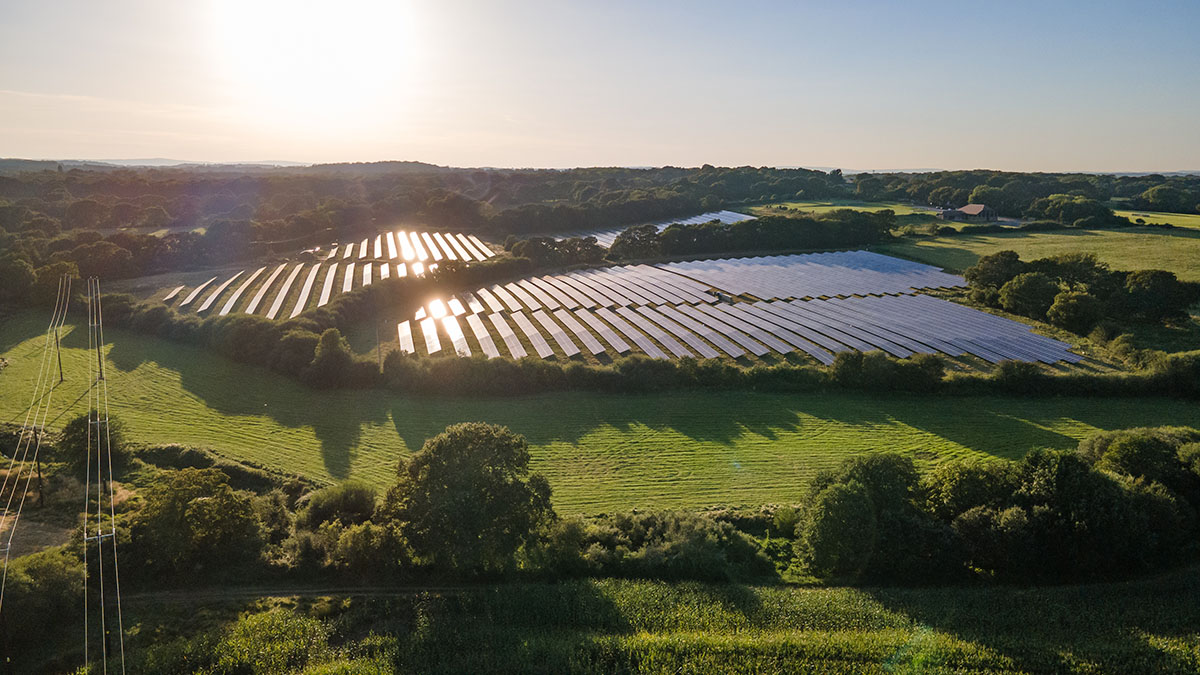
ESG in Action: Power from the panels: Profit with purpose with Eden Sustainable

ESG in Action: Top-down and bottom-up momentum: The next chapter of social mobility with SMBP

ESG in Action: Balancing the basket with the British Retail Consortium



Community, connection and collaboration - TLT and Forest Green Rovers FC
Placing sustainability at the heart of learning - TLT and the Ministry of Eco Education


A partnership for sustainable action: TLT and Belmont Estate
BNG - TLT and Belmont Estate talk nature positivity

What does the next generation of our cities look like?

