
ESG in Action: Banking on biodiversity with Nationwide Building Society
In this episode of ESG in Action, Alex Holsgrove Jones is in conversation with Amy Thomson, Head of Sustainability, and Andrew Martin, Facilities Consultant, at Nationwide Building Society.
Nationwide is owned by its members, rather than shareholders and has a publicly declared purpose: 'Banking - but fairer, more rewarding and for the good of society.'
In this episode, they discuss:
- Why sustainability matters to Nationwide – and how Nationwide is navigating sustainability changes and challenges
- The Wildlife Trust’s Biodiversity Benchmark accreditation, and what happened in the three years it took for Nationwide to achieve it for Nationwide House
Listen to the episode below, or listen and subscribe on your favourite podcast platform, including Spotify and Apple Podcasts, to make sure you don’t miss an episode.
Amy Thomson (00:02)
And in theory, a sustainable business is a lasting business, those kind of the credit and sustainability arms of your business go hand in hand and are integral to kind of longevity.
Alex Holsgrove Jones (00:17)
Welcome to ESG in Action. I’m Alex Holsgrove Jones, Knowledge Partner and ESG lead for TLT, and we’re exploring how values-driven leadership, sustainable thinking and inclusive culture are transforming the business landscape. Each episode, I’m joined by a guest who drives ESG progress – from charity leaders to household brands – and they’ll be sharing the tangible impacts of ESG-led decision making.
I’m delighted to be joined today by two guests from Nationwide, the world's largest building society. Nationwide is owned by its members, rather than shareholders and has a publicly declared purpose: 'Banking - but fairer, more rewarding and for the good of society.' Amy Thomson is Head of Sustainability, and Andrew Martin is Facilities Consultant, welcome to both of you.
It's great to have you on the show.
Amy Thomson (01:11)
Thanks Alex, nice to meet you.
What first drew you into the world of sustainability and what's kept you passionate about it?
Alex Holsgrove Jones (01:13)
Amy, before we get into the detail of what you're doing at Nationwide, it would be great to hear a bit about you. So what first drew you into the world of sustainability and what's kept you passionate about it?
Amy Thomson (01:26)
My interest in sustainability is probably ingrained ultimately into my values. One of my biggest values is fairness and then sustainability is all about being fair, transparent and truthful about how your business operates. Just a bit of background, I joined Nationwide 15 years ago and one of the reasons why I applied was because of the way they treated me personally as a customer and because ultimately of their mutual status as a building society. From my experience, they cared really deeply about their customers, and I experienced that very much as an employee as well. From a role perspective, I've always looked to do roles which are varied, provide continuing challenge, knowledge growth and sustainability really does do that. From a position perspective, and I guess how I came into the world of sustainability at Nationwide, is I was fortunate enough in 2019 to almost be right place, right time when the PRA released their supervisory statement, which is around how banks needed to enhance and understand the potential financial risks associated with climate change. So I was fortunate enough to be very much involved in that early-stage planning. And ultimately, it's sort of grown from there really.
My responsibilities are now much broader across environment, social and governance. So the full ESG spectrum. You asked me about what keeps me passionate about it. I think ultimately, it's about knowing that me and my team are delivering value and then doing good ultimately and we're delivering things that are meaningful to us and our colleagues, customers, and also to our regulators, our investors and who cares about what our business does.
Alex Holsgrove Jones (03:12)
Wow, that's a great foundation and it really brings us nicely to the big picture at Nationwide. Can you just go into a little bit more detail about how Nationwide thinks about sustainability and the core elements of your strategy?
How does Nationwide think about sustainability?
Amy Thomson (03:27)
Yeah, of course. So obviously you've mentioned that we are the world's largest building society, and we are owned by our members and not shareholders. And that's ultimately what makes us different. Back in October 2024, we acquired Virgin Money and now we're offering retail products to our customers and also business banking products. So we've really got a really extensive range of offerings.
And I always say that responsible business is something we are, it's not something we do. So, we don't consider sustainability as a bolt on, it's very much integral to everything we do. In terms of the way it's embedded, so underpinning our purpose, we have what we call mutual good commitments and this is how we bring the ESG strategy to life Nationwide.
They're aimed at doing things which are core to our business and what matters to us and our customers. They include things like making sure that we're offering customers a choice in how they bank with us and we support their financial resilience, supporting more people into safe and secure homes, making a positive difference for our customers, communities and society as a whole, helping build a more sustainable world by supporting progress towards a green society. So it's all about the environmental and the climate ambitions of society and also better reflecting the diversity of the society within our core people base. So, these commitments are ultimately underpinned as well by a series of measures which we actively track both internally and externally and report on within our financial accounts and other sustainability reports as well. So, they really do matter to us. And then finally, I guess I just say that, you know, we ultimately want to continue to use our voice and raise awareness of the challenges faced by our customers and society as a whole. We lean into a lot of those conversations with policymakers and standard setters to ensure their voices are represented.
Alex Holsgrove Jones (05:22)
So there's clearly an awful lot going on and those commitments are clearly showing that ESG is at the heart of what you're doing at Nationwide. Some people still see ESG as a bit of a nice to have rather than essential to business performance. And although you're doing a lot, I imagine that it hasn't all been easy. What challenges have you encountered in embedding sustainability at Nationwide and how have you navigated those?
Amy Thomson (05:52)
Yeah, so it's a good question and actually I was reflecting on your initial point that sustainability is seen as a nice to have and it's something that I guess I do recognise as an international observation and particularly with the current geopolitical landscape and pressures that it's putting on those globally footprinted businesses. However, I guess my view on sustainability is that as mentioned before, it shouldn't really be seen as a bolt on to a strategy, it should be integral to it, central to it. And in theory, a sustainable business is a lasting business. Those kind of credit and sustainability arms of your business go hand in hand and are integral to kind of longevity. Regarding the broader challenges I've observed, as mentioned, I think a lot of it does tend to align with what's happening in the external market there have been and continue to be lots of pressures on businesses to drive their sustainability agenda and understand the risks of not doing so. In the UK alone, and we are a UK-based business, there continues to be new regulatory and legislative requirements being asked of firms, all with the aim to improve the quality of sustainable management practices and ultimately disclosures. So it's really important to stay on top of these developments.
In terms of what we do, which I think works really well, I think a good horizon scanning mantra is always a good place to start. Knowledge is power. And I think given the pace of change to sustainability, and you can see that over the past six plus years, knowledge can quickly thin if you aren't keeping an active ear to the ground effectively and I think it really helps in a market which is moving at such pace. The other couple of things I guess we do alongside horizon scanning is that looking beyond your peers, I think it's quite helpful. If you sort of expand your horizons and look either across industry or even into industries which you wouldn't necessarily play in, you can really get a good sense of what others are doing in this space and what good looks like ultimately.
Alex Holsgrove Jones (08:02)
Yeah. Great, Amy, thank you. And I think part of embedding sustainability is obviously choosing where to focus. There's so much you can do. You can look at all your peers, you can look at other industries, but nobody, no organisation can do everything. One of the standout choices for Nationwide was pursuing the Wildlife Trust's biodiversity benchmark.
Before we bring Andrew in to talk in a little bit more detail of how you went about that, can you just set the scene a little bit for us? Where does the biodiversity benchmark fit within Nationwide's overall sustainability strategy and why was it a priority for you?
How did Nationwide achieve The Wildlife Trust's biodiversity benchmark?
Amy Thomson (08:39)
Yeah, really great question. I won't steal Andrew's thunder at all, he's got a lot more knowledge on it than I have. But I think it gets to set the scene. And it's all tied back to the mention of the PRA supervisory statement. We have been focused for a long time on climate change for several years. And ultimately now nature in the broader sense is now coming up that agenda and it's becoming more of a focus for Nationwide and for undoubtedly other organisations.
And I think that's because of those broader developments in the landscape. So you've got the likes of the task force on nature related financial disclosures who are obviously trying to set this gold standard disclosure for how you think about nature related risk in your organization and we have made a start on that process. So we have started to conduct what's called the LEAP assessment, which is locate, evaluate, assess and prepare, focusing on our business operations and supply chain to understand the potential nature-related risks and impacts on Nationwide. So to link it into the work that Andrew's been leading on, really is a leading example of why and an excellent demonstration of why we need to consider nature-related risk. And obtaining the benchmark for Nationwide and managing it for one of our buildings is, It's absolutely critical and is really great example of how that supports our agenda.
Alex Holsgrove Jones (10:05)
Thanks Amy. So let's get into the practical side of achieving the benchmark. Andrew, Nationwide was the first bank to achieve the Wildlife Trust biodiversity benchmark. For listeners unfamiliar with it, what is the benchmark and why was it important Nationwide?
Andrew Martin (10:23)
Sure. In short, the Wildlife Trust biodiversity benchmark is a national accreditation that certifies how well an organisation manages its land, specifically focusing on wildlife and biodiversity. It's designed to test long-term commitment and how we continually enhance the land and protect and encourage wildlife. The Wildlife Trust describe it as a challenging standard, and I can vouch for that.
It's a huge compliment to us, it's taken us over three years to achieve it -which really truly shows our commitment. Why it's important for us is biodiversity is a core part of the responsible business commitment. We're in a really fortunate position as Nationwide House is naturally rich in wildlife. It's also got a pond as well, which gave us a real opportunity to turn the site into a thriving habitat where nature can really flourish. We're continually looking at how we can manage the site and understanding what more we can do to protect the natural environment around our buildings. And by strengthening how we look after nature, we create a better environment for our colleagues and community.
Alex Holsgrove Jones (11:43)
Now that sounds great. So obviously you can plan it out on paper, but really you need to look at it. It happens on site with teams and tools and timelines for things to happen. You said it's taken you more than three years. Can you take us a little bit behind the scenes from that very first site walk to getting spades in the ground and getting the nature established?
Andrew Martin (12:10)
Yeah, sure. It all started with an ecologist walking around the site to give us a clear picture of the habitats and the potential they had to support protected or notable species. So our grounds maintenance company introduced me to an ecologist called James, and that's where we started off.
We identified where we could generally enhance biodiversity rather than just maintain it. We then built a long-term biodiversity management plan, carried out surveys looking at reptiles, floral species, dormice, badgers and invertebrates to help us create a solid baseline. We continue with these surveys regularly to keep on top of progress. To meet the benchmark requirements, we created a dedicated biodiversity management system, essentially developing a biodiversity policy, carry out reviews and putting in place biodiversity checks to make sure we avoid harming any wildlife. We work closely with local partners who carry out regular management reviews to keep everything on course. One of the most important parts, though, is engaging with people, with colleagues.
Our Nationwide colleagues, they all get given two days volunteering a year and so this is a really good way of bringing people together. We've also promoted our nature trail, installing new signage. We've shared some maps so colleagues can explore and learn more about wildlife on site. And so when you're having, you know, we all know that you need to get away from the desk every now and again. So this is an opportunity to just go out and walk around Nationwide house.
Alex Holsgrove Jones (14:02)
So it's great for wellbeing as well as wildlife.
Andrew Martin (14:06)
Yeah, we've been very fortunate. We've encouraged volunteers only a month ago, about 15 colleagues came out and planted 2000 small trees around the area. And then last year we put 50 small orchard fruit trees, which we've linked to the local area as well. But to be honest, it is really a team effort which has helped us achieve this award.
Alex Holsgrove Jones (14:36)
Right. and, you know, obviously, it's having really positive impact on colleagues and I'm sure it's having a great impact on wildlife as well. But are you able to measure that impact beyond saying it looks greener or colleagues like coming and volunteering?
How do you measure the impact of nature and biodiversity?
Andrew Martin (14:53)
Yeah, as we've touched on, we've built a dedicated biodiversity management plan and management system to track progress, we use a range of indicators. We measure the flora diversity, invertebrate diversity, pond dip scores, and even physical signs like how many bird boxes are actively used.
We've recently completed a full baseline using a depth for biodiversity metric, which gives each habitat a value, meaning we can measure changes over time, understand where we're really making an impact. All our service and management actions are scheduled into a tracker and we review progress every month. That helps us spot any gaps and resources early and keep track of everything. So far, we've recorded some great results: active badger use, including a set on land just beside our site, common toad, frog, small newts, at least 15 breeding bird species and 44 invertebrate species and about 20 species of grassland plants. But my favourite is seeing an otter swim in our lake.
Alex Holsgrove Jones (16:21)
Wow!
Andrew Martin (16:21)
So that happened just around Covid. Clearly there wasn't many people around and the otter took the opportunity to swim in our lake. So, I actually saw that, which was great.
Alex Holsgrove Jones (16:21)
Wow, it sounds amazing. For organisations listening who are thinking, gosh, we should do this too. If they wanted to attain the standard, what would be your top tip for starting out?
One tip for others wanting to pursue The Wildlife Trusts biodiversity standard?
Andrew Martin (16:34)
Sure. I would say start by understanding your site. Walk the space, talk to the people who maintain it and build a clear picture of what nature and habitats already exist. From there, keep it simple as you don't need to do everything at once. Just focus on a few meaningful things. At Nationwide, we introduced low-mow areas where we kept certain areas of grass longer to encourage new wildlife and focus on promoting the trail path to get people out, put some really big signs out and encourage people to walk around and for their own wellbeing.
Alex Holsgrove Jones (17:16)
Yeah, that's great. That low mow is it's a really easy thing for people to do, isn't it? It doesn't take any effort at all. fact, it takes less effort than mowing.
Andrew Martin (17:26)
You could do it at home, can't you?
Alex Holsgrove Jones (17:16)
Yeah, you can do it at home. Exactly. So, Before we finish, let's just widen it out a little. I'm going to come back to you first, Amy. Looking ahead, what's one ESG related shift that you're actively preparing for? How are you gearing up for it?
What's one ESG related shift you're actively preparing for?
Amy Thomson (17:45)
Yeah, it's really good question. for me and my team, guess the biggest changes that are coming are external ones. And I'll talk this from a known angle because sometimes there are changes that hit you which are unknown and are surprises.
But very much the known changes are the ones which we're preparing for. So, one of the more recent examples was the PRA statement, which I mentioned that was originally was published in 2019, had a refresh in December of the year just gone. And it was sort of expected and known that it was coming because ultimately, you know, the regulators and also the financial firms have like been embedding climate change expectations and risk management practices into their businesses for a number of years. So those standards and the expectations from a regulatory perspective needed to evolve and that's exactly what that statement's done. It's sort of stretching our thinking again. So, from a Nationwide perspective, as amongst I'm sure others are doing, they're looking at that statement, understanding what they might want to do in terms of planning and actioning within their business.
And then the other example, I guess, is quite timely because, the FCA, which is one of the UK regulators, has just put out to consultation on that, but it's the adoption of what's called the UK sustainability reporting standards. A lot of firms like us will already be reporting climate related information in line with guidances, such as the Task Force on Climate Related Financial Disclosures. But what the UK FRS aims to do is bring in a more interoperable global standard, which if you're globally footprinted, therefore can align sort of one set of standards in a more consistent way, which I think is very welcome for those businesses that are impacted in that way. So again, it's something that we already understand where, you know, we need to do more and what actions we want to take to sort of better align to those standards going forwards because of the known, I guess, of those changes. Yeah, hopefully that explains it, but there are always in sustainability those changes which are unknown at this moment in time and it keeps us on our toes.
Alex Holsgrove Jones (20:05)
Absolutely. And just before I move over to Andrew, can I just ask you, I mean, you, like many, many organisations have got thousands of colleagues with different day jobs. How are you making sustainability feel like something that everyone can own rather than something that the sustainability team deals with?
How are you making sustainability feel like something that everyone can own?
Amy Thomson (20:26)
I guess there probably isn't a silver bullet necessarily to the answer, but I think it's important that you recognise first and foremost the role that your colleagues can play and the importance of the role that colleagues can play. And you touched upon it a little bit with the biodiversity benchmark and the activities that therefore colleagues can get involved with when it comes to some of the broader sustainability agenda.
I think, again, as a starting point, the fact that we've integrated sustainability and responsible business practices into our purpose will hopefully help translate that to colleagues on the ground on a day-to-day basis. The other thing is that we've got a number of colleague networks effectively across Nationwide and a lot of the networks cover an array of important topics including those related to both in social and environmental agendas and they are a hugely powerful and engaging tool that we have and they're solely run by our colleagues.
So you have that firepower almost driven by them and the networks aim to support colleague connection and are a great platform to share ideas and one of the ones probably worth mentioning is our, Green Network. Our Green Network is actually one of the largest employee networks we have and offers a huge platform to share ideas and experiences with like-minded individuals such as, you know, what EV car is out there in the market that's interesting or how people coping with solar panels and like battery arrays on their buildings in the intent to sort of go more renewable. So, there's a huge amount of resource there just from sharing ideas. And also, we offer, I guess, more bespoke and individualized training opportunities on our internal training platform, including multiple topics on sustainability, so risk and others which are of interest hopefully to colleagues to take part in.
Alex Holsgrove Jones (22:24)
Great thanks Amy and Andrew just thinking about the role that nature plays in business. Why would you encourage other businesses to get involved in nature positive projects? What benefits have you seen first-hand? You've mentioned some of them, know, colleague wellbeing etc. but I'm sure there are so many, and the otter obviously must be really high up there.
Why would you encourage other businesses to get involved in nature positive projects?
Andrew Martin (22:46)
Yes, it is. I would absolutely encourage other businesses to get involved in nature related projects and the benefits honestly go far beyond the environment as there's a huge people impact too. One of the biggest benefits has been the on-site volunteering opportunities this has created, which is important to us Nationwide. It's a great way of networking. I mean, so many different people from different parts of the business. I've obviously met Amy, which has been good as well. It's been brilliant to see just how many colleagues want to get involved as well. It raises awareness and helps people feel connected.
Alex Holsgrove Jones (23:28)
Great. And what's next for Nationwide on the nature positive front? Have you got more projects on the horizon?
What's next for Nationwide on the nature positive front?
Andrew Martin (23:34)
Yeah, so we're always looking for ways to keep improving the outdoor space here at Nationwide House and we've been discussing plans for more volunteering opportunities in the spring. Colleagues are really sort of keen to do more around the building.
What I'd like to do though, to take it much further, we don't just have Nationwide House in Swindon, we have offices across the UK. So, I'll be liaising with the other facilities managers across the country for potential contenders for the benchmark award.
Alex Holsgrove Jones (24:11)
Great. So, you've both got a lot coming up. To finish, if you could ask each of our listeners to take one step towards a more sustainable future, something really practical they could do, what would it be, Amy, just coming to you first?
What's one step you'd ask our listeners to take towards a more sustainable future?
Amy Thomson (24:29)
I'll take the slightly more business answer and if you are in an organisation it will depend on where you sit in your business. However, what I think you can do regardless of that is look to understand the agenda. If you're passionate about this, there's so much information out there that it might be worth you reading up on. There's webinars you can register, you know, there's a whole heap of external resources at your fingertips.
But also reach out to those internally, like Andrew said, connect with those who looking at this agenda maybe for your business to understand how you might be able to support or get involved in a kind of more broader sense. But I mean, ultimately, a sustainable future is something we all have a role in. So, you know, I just encourage you to continue to be inquisitive and continue to grow your knowledge in this space.
Alex Holsgrove Jones (25:24)
Thanks, Amy. Andrew, how about you?
Andrew Martin (25:27)
Mine's a bit shorter, so get involved in nature, you can make a difference, whether it's with your colleagues at work or at home or with your family, you can make a difference. This journey for me has been amazing. So, I've learned so much. So please go out there and get involved in groups or things that are at home or at work.
Alex Holsgrove Jones (25:52)
Thank you both so much for joining us. What really stands out from today's conversation is that nature positive action isn't something abstract or optional. It's practical, measurable and achievable when organisations choose to embed it in the way they operate. It's also really uplifting from speaking to you both. I mean, Andrew you’ve spoken so positively about how it's impacted your own wellbeing and those that of your colleagues.
So Nationwide's experience really shows what can happen when strategy, passion and hands-on delivery come together and it's really encouraging to think about what this could mean if more organizations followed your lead. So, thank you both so much for your time.
Amy Thomson (26:33)
Thank for having me.
Andrew Martin (26:33)
Thank you
Alex Holsgrove Jones (26:34)
To our listeners, thank you for tuning in. We hope today's discussion has sparked ideas for your own work, your teams and your communities. If you enjoyed this episode, don't forget to subscribe and share and until next time, keep driving positive change and putting ESG into action.
Related services

Get in touch







%20%C3%94%C3%87%C3%B4%20790px%20X%20451px%2072ppi21.jpg)
%20%C3%94%C3%87%C3%B4%20790px%20X%20451px%2072ppi%20London.avif)


%20%E2%80%93%20790px%20X%20451px%2072ppi%20LONDON9.jpg)
Related insights

AI in Motion: Balanced algorithms - addressing bias in AI

Why work-related stress is a health and safety issue

From intention to action: ESG tips you can use from our podcast guests
Climate risks and stranded assets: Protecting your property portfolio

Aligning sustainability with opportunity: The business case for biodiversity net gain
How can carbon credits and insetting help you achieve your net-zero targets?

AI in Motion - How to make sustainable AI a reality

ESG as part of investment strategies - What pension trustees need to know

Preparing for change: turning the Employment Rights Bill into social ESG advantage

Employee Ownership - How an EOT can support your ESG agenda

Pub and bar: The growing importance of knowing your supply chain

Climate change risk - Five steps to assess climate risk across your real estate portfolio

Why nature-related risk is the next strategic priority for pension schemes

Climate transition plans - legal opinion on disclosure liabilities for directors and companies
Extended Producer Responsibility - hospitality sector in focus

Limiting construction's environmental footprint using climate conscious drafting



Retail Agility: Navigating the AI frontier in retail




Rethinking Hospitality: Embracing Challenges, Unlocking Growth




TLT advises Eolas Architects on transition to employee ownership

TLT advises The Guinness Partnership on £400 million real estate joint venture

ESG in Action: Nature recovery in action: What Belmont Estate can teach business
ESG in Action: Where capital meets conservation with Rebalance Earth

ESG in Action: How to work well in high-pressure environments with the Mindful Business Charter

ESG in Action: Turning clauses into climate action with The Chancery Lane Project

ESG in Action: From nice to necessary: The business case for wellbeing

ESG in Action: Financing change and changing finance with Triodos Bank

ESG in Action: Working better with Working Families: Flexibility in the workplace

ESG in Action: The future starts at school: Embedding sustainability early with The Green Britain Foundation

ESG in Action: Inside the Government Legal Department’s social mobility agenda

ESG in Action: Climate resilience in real terms: Breaking sustainability silos with Santander

ESG in Action: Hospitality and sustainability working together for future successes

ESG in Action: Beyond returns: Inside the world of responsible investment

ESG in Action: Trailblazing with Ablaze: Helping young people succeed
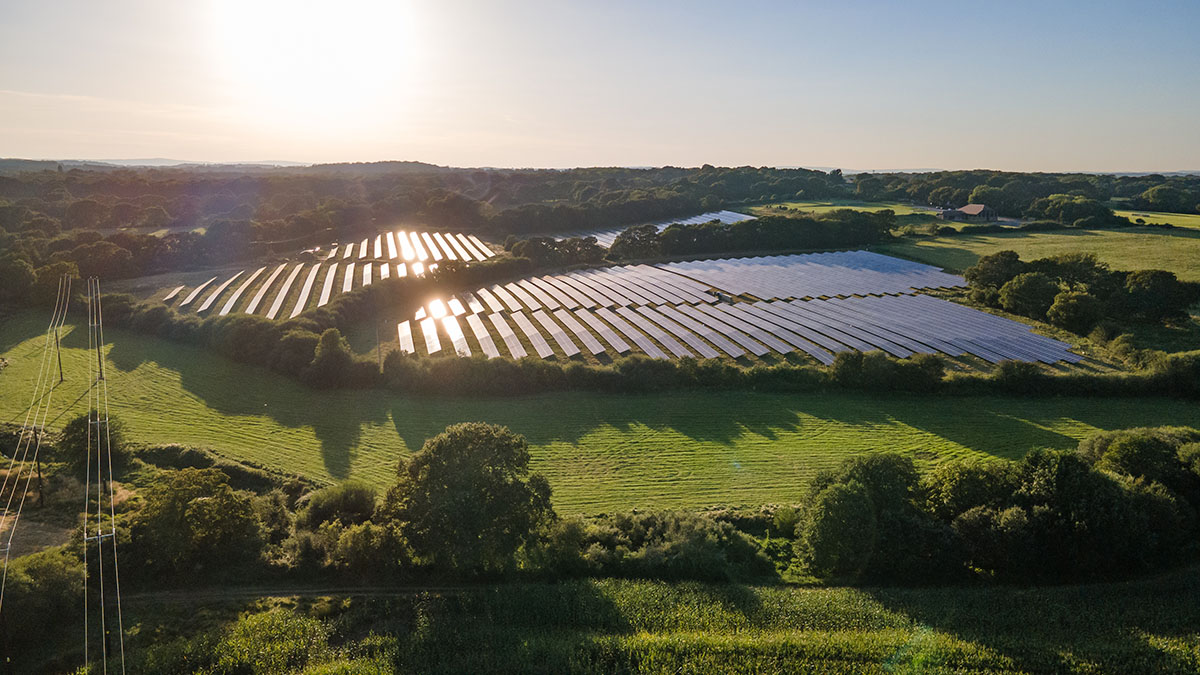
ESG in Action: Power from the panels: Profit with purpose with Eden Sustainable

ESG in Action: Top-down and bottom-up momentum: The next chapter of social mobility with SMBP

ESG in Action: Balancing the basket with the British Retail Consortium



Community, connection and collaboration - TLT and Forest Green Rovers FC
Placing sustainability at the heart of learning - TLT and the Ministry of Eco Education


A partnership for sustainable action: TLT and Belmont Estate
BNG - TLT and Belmont Estate talk nature positivity

What does the next generation of our cities look like?

