
How can carbon credits and insetting help you achieve your net-zero targets?
As COP30 begins and global leaders gather in Belém, Brazil, the urgency for credible climate action has never been greater.
The conference provides a pivotal forum for discussing strategies to accelerate progress toward net-zero. Reliable carbon credits and insetting are emerging as key tools for organisations striving to meet their commitments and align with the conference’s focus on operationalising the Paris Agreement and scaling up ambition across sectors.
Carbon credits: bridging the gap to net-zero
Carbon credits (or offsets) represent a quantifiable emission reduction or removal, certified by a third party, that are purchased by an organisation to offset the equivalent amount of greenhouse gases it emits elsewhere.
Carbon credits are not a substitute for direct action, but they play a vital role in bridging the gap on the hardest to abate emissions: those that cannot be eliminated through operational changes or supply chain engagement.
Currently, the Science Based Targets Initiative (SBTi) restricts the use of carbon credits towards meeting near-term science-based targets. They are allowed only for neutralising residual emissions once all feasible reductions have been achieved.
Under current SBTi guidance only removals - such as those generated through nature-based carbon credit projects - are recognised for balancing unabated emissions. Avoidance or reduction credits do not currently count towards target achievement.
Insetting: driving change within the value chain
While offsetting typically involves purchasing credits from external projects, insetting refers to emission reductions achieved within an organisation’s own value chain. It targets Scope 3 emissions, and takes various forms: usually partnering with suppliers to decarbonise goods and services procured.
For example:
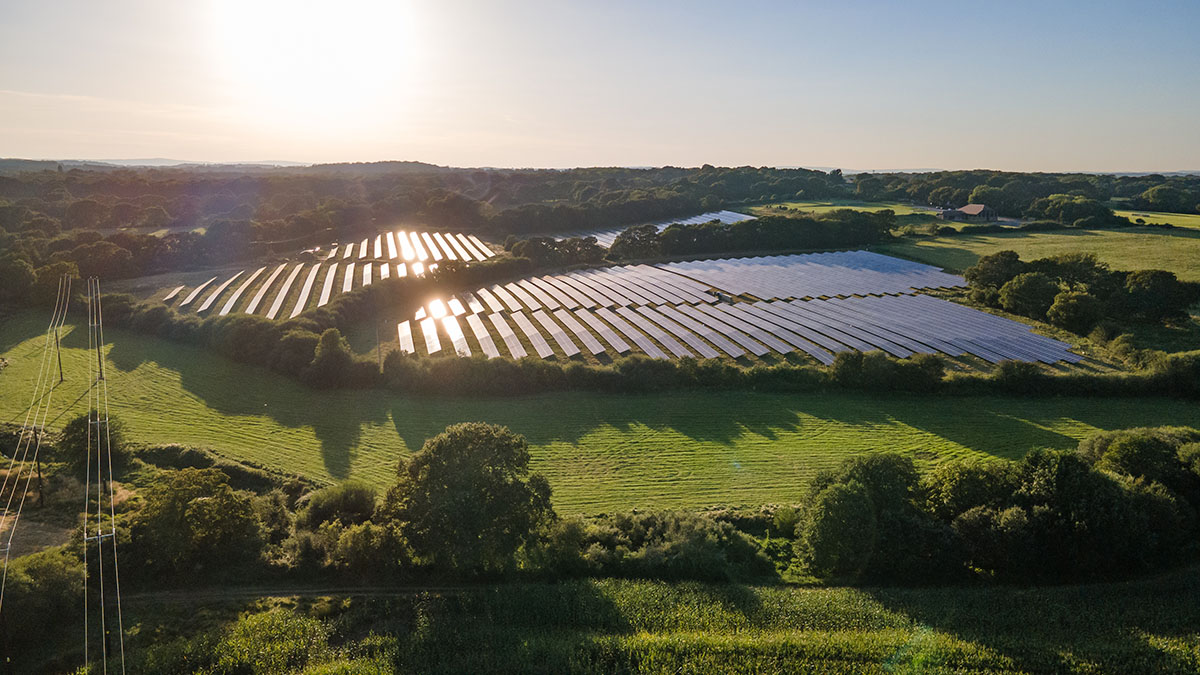
- Co-investing with suppliers in technologies, for example helping suppliers to switch to renewable energy by co-financing renewable energy installations (i.e. solar panels).
- Working with suppliers to reuse by-products, ultimately reducing landfill emissions and creating circular value.
- Developing training programs or toolkits to support suppliers in their net zero journeys.
- By tackling emissions at their source, insetting not only reduces emissions but also strengthens relationships with suppliers and stakeholders, supporting broader decarbonisation across the economy.
The TLT approach
At TLT, our approach to offsetting reflects both our environmental values and our commitment to transparency. We believe the most effective route to net-zero starts with reducing emissions from our own operations and value chain, making offsetting a supplement rather than a substitute for direct action. With a current focus on supply chain engagement, we are trying to tackle emissions at their source and in collaboration with our supply chain partners.
We aren’t in denial that offsetting is going to be required for residual emissions, and our offsetting journey has already started. With 93% of operational emissions (scope 1 & 2 market-based) eliminated, we are now addressing the remaining 7% through a two-strand carbon offsetting strategy developed in partnership with Belmont Estate.
Our strategy is to select carbon credits from projects that have undergone rigorous third-party verification, demonstrate clear additionality, and offer transparent reporting. This approach helps us ensure that offsetting supports our broader sustainability ambitions as we work towards our climate goals.
Further information on our offsetting strategy can be found in our published Carbon Reduction Plan and in the press release TLT launches offsetting partnership with Belmont Estate - TLT LLP.
Conclusion
In conclusion, carbon credits and insetting both allow organisations to supplement their direct action in the journey to net zero. Although purchasing carbon credits are not a substitute for reducing an organisation’s emissions, they bridge a valuable gap for the emissions that can’t be abated.
With ESG scrutiny increasing from consumers, regulators, investors, and employees alike, COP30 offers an opportunity for organisations to consider the actions they’re taking, and what more needs to be done. Offsetting and insetting are two methods: but embedding environmental responsibility into every decision should be the start.
For more information about how to navigate the complexities of ESG compliance and strategy, read the other articles in our ESG in the boardroom series. From corporate governance to building resilient, responsible supply chains, we’re exploring the hot topics and key questions on the ESG agenda.
This publication is intended for general guidance and represents our understanding of the relevant law and practice as at November 2025. Specific advice should be sought for specific cases. For more information see our terms & conditions.

Get in touch







%20%C3%94%C3%87%C3%B4%20790px%20X%20451px%2072ppi21.jpg)
%20%C3%94%C3%87%C3%B4%20790px%20X%20451px%2072ppi%20London.avif)


%20%E2%80%93%20790px%20X%20451px%2072ppi%20LONDON9.jpg)
Related services
Get in touch
Insights & events

AI in Motion: Balanced algorithms - addressing bias in AI

Why work-related stress is a health and safety issue

From intention to action: ESG tips you can use from our podcast guests

Climate risks and stranded assets: Protecting your property portfolio

Aligning sustainability with opportunity: The business case for biodiversity net gain

How can carbon credits and insetting help you achieve your net-zero targets?

AI in Motion - How to make sustainable AI a reality

ESG as part of investment strategies - What pension trustees need to know

Preparing for change: turning the Employment Rights Bill into social ESG advantage

Employee Ownership - How an EOT can support your ESG agenda

Pub and bar: The growing importance of knowing your supply chain

Climate change risk - Five steps to assess climate risk across your real estate portfolio

Why nature-related risk is the next strategic priority for pension schemes

Climate transition plans - legal opinion on disclosure liabilities for directors and companies

Extended Producer Responsibility - hospitality sector in focus

Limiting construction's environmental footprint using climate conscious drafting



Retail Agility: Navigating the AI frontier in retail




Rethinking Hospitality: Embracing Challenges, Unlocking Growth




TLT advises Eolas Architects on transition to employee ownership

TLT advises The Guinness Partnership on £400 million real estate joint venture

ESG in Action: Nature recovery in action: What Belmont Estate can teach business

ESG in Action: Where capital meets conservation with Rebalance Earth

ESG in Action: How to work well in high-pressure environments with the Mindful Business Charter

ESG in Action: Turning clauses into climate action with The Chancery Lane Project

ESG in Action: From nice to necessary: The business case for wellbeing

ESG in Action: Financing change and changing finance with Triodos Bank

ESG in Action: Working better with Working Families: Flexibility in the workplace

ESG in Action: The future starts at school: Embedding sustainability early with The Green Britain Foundation

ESG in Action: Inside the Government Legal Department’s social mobility agenda

ESG in Action: Climate resilience in real terms: Breaking sustainability silos with Santander

ESG in Action: Hospitality and sustainability working together for future successes

ESG in Action: Beyond returns: Inside the world of responsible investment

ESG in Action: Trailblazing with Ablaze: Helping young people succeed
ESG in Action: Power from the panels: Profit with purpose with Eden Sustainable

ESG in Action: Top-down and bottom-up momentum: The next chapter of social mobility with SMBP

ESG in Action: Balancing the basket with the British Retail Consortium



Community, connection and collaboration - TLT and Forest Green Rovers FC
Placing sustainability at the heart of learning - TLT and the Ministry of Eco Education


A partnership for sustainable action: TLT and Belmont Estate
BNG - TLT and Belmont Estate talk nature positivity

What does the next generation of our cities look like?

