Starting a brewery - licensing and IP tips
Every start-up will need to deal with a number of issues, but from a legal perspective, licensing and IP protection can be two of the most crucial or challenging – especially for a business looking to grow quickly, whether organically or through investment or acquisition. There are also important distinctions between England & Wales and Scots law.
While brewers who sell only to the trade (wholesales) will have no need for a premises licence, this article sets out the benefits that such a licence can bring by enabling direct interaction between the brewer and their customers.
Having complete control of the customer experience, whether it be how the product is served or presented, for instance, gives the brewer increased visibility and social media presence. Making sure that the customer experiences their product as the brewer envisaged is key when brand identity is such a big differential in a crowded marketplace.
Pop up events
Many brewers will collaborate with local festivals or unlicensed cafes to showcase their products and develop brand awareness. Both Scotland and England & Wales allow for such events to be licensed on a temporary basis. In Scotland, a premises licence allows its holder to apply for an occasional licence lasting fourteen days at a cost of £10. Additional permissions may be required such as a public entertainment or market operator’s licence. In England & Wales, Temporary Event Notices can be obtained for unlicensed premises to sell alcohol on a limited basis for a fee of £21. Such events can last up to seven days at a time.
Online orders
An ecommerce platform offers a route to market that's entirely within your control, but it is important to have the correct licensing permissions in place. Brewers based across the country, whether in England & Wales or Scotland, should make sure that the point of despatch itself is licensed, rather than the place where the order is taken. This can be a lock up or the brewery itself. All that matters is that the licence is for the place where the indivudal order is separated from the general stock of alcohol, rather than the office where your servers are kept.
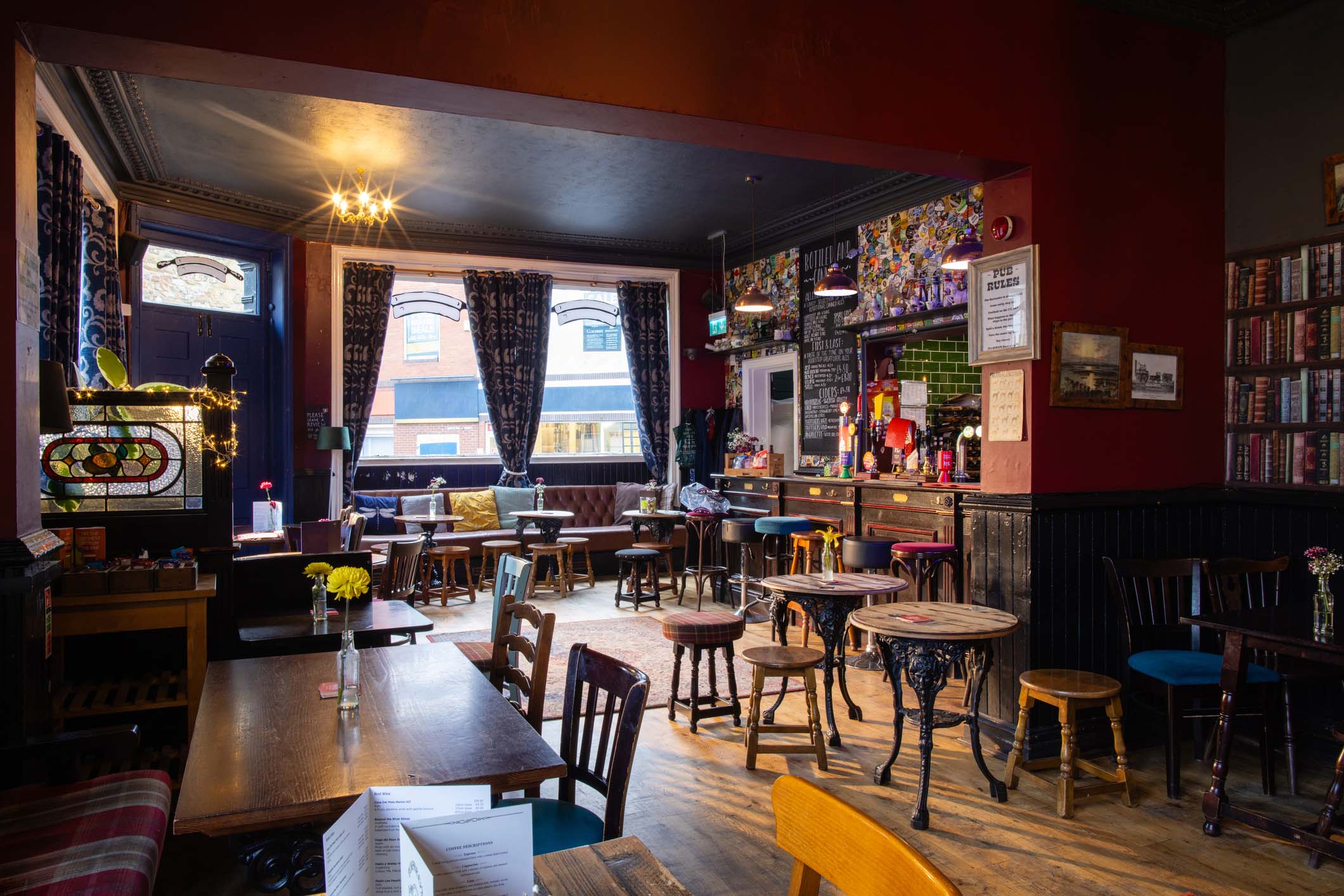
Tap room / Bottle shop
A tap room or bottle shop develops the brewery experience and gets your product into the hands of customers. Often they are great places for social media influencers to snap that great shot of your logo on a freshly poured pint. A premises licence is required both sides of the border. Ahead of making any such application, you should consider taking legal advice to make sure you can operate when you want and without undue restrictions put on your licence by the local authorities
Branding and IP protection
Another key consideration for new market entrants is branding and IP protection. The swell of new companies in this market, from both the UK and overseas, means that others may be looking at similar brands and themes. This increases the risk of a legal battle over names, visual identity and other IP assets, whether you're facing a challenge or challenging someone else's brand. You will need to ensure you have cleared your brand for use and register your marks to preserve your brands and put other people on notice of them. Clearance and registration can be difficult to get right, but it's important to invest in this advice. If you are looking at obtaining any sort of funding, it is worth noting that investors will also want to know that your IP is adequately protected.
Finally, if you have an EU application only, Brexit consequences may also require at least an additional administrative exercise to ensure your IP remains protected in the UK.
By associate Michael McDougall (licensing - Scotland) and legal directors Piers Warne (licensing - England & Wales) and Jo Pritchard (brand and IP protection).
This article was first published in The Brewers Journal.
This publication is intended for general guidance and represents our understanding of the relevant law and practice as at May 2019. Specific advice should be sought for specific cases. For more information see our terms & conditions.

Get in touch

%20%C3%94%C3%87%C3%B4%20790px%20X%20451px%2072ppi34.jpg)



%20%C3%94%C3%87%C3%B4%20790px%20X%20451px%2072ppi%20GLASGOW4.jpg)






Related services

Insights & events
Digital age verification now in force: key considerations for operators
Quick service restaurants - bite size guide to licensing

Martyn's Law notification guidance: the practical points to know and prepare for now

Just over a week until World Cup 2026 kicks off: it's time for licensed premises to prepare
World Cup licensing in Scotland: Extended hours policies by licensing board

Getty Images v Stability AI: Retail Sector Impact | TLT

Understand Getty Images v Stability AI in 6 Key points

Martyn's Law receives Royal Assent - act now, do not wait


A "SLAPP" in the face: Finding an Abuse of Process Liable proceedings in a NI Court

TLT's Guide to Scottish Licensing Board Policy Statements 2023-2028

TLT's Guide to Scottish Licensing Board Policy Statements 2023 - 2028

TLT Appointed to Assume Licensing Files | TLT


TLT consolidates market leading licensing practice with addition of new Associate

TLT acts in pro-bono licensing case in support of Ukrainian refugees

TLT launches new online guide to licensing board consultations for licence holders

TLT Partner Re‑Accredited as Licensing Law Specialist | TLT

TLT Partner Appointed Chair of North West Fraud Forum | TLT

TLT Shortlisted for Firm of the Year at Scottish Legal Awards | TLT

TLT Wins Law Firm of the Year at Manchester Legal Awards | TLT
TLT Recognised for Two Awards at The Lawyer Awards 2022 | TLT

TLT Shortlisted for Two Manchester Legal Awards 2022 | TLT

TLT enhances public sector offering with partner hire
TLT advises Brothers Drinks on Babycham reacquisition


TLT wins Excellence in Client Care at Scottish Legal Awards 2021
Scale‑Up Insights Podcast: IP Retrospective | TLT