
ESG in the boardroom
Climate litigation and ESG risks
UK court decisions signal shift in attitude
COP29 could be a prompt to organisations to consider their ESG risks. Climate litigation is a key risk for the Board, given its potential impact on both value and reputation.
The June 2024 decision of the UK Supreme Court in R (on the application of Finch on behalf of the Weald Action Group) v Surrey County Council is the most significant decision on climate change issues in recent years and perhaps signals a change in attitude of the courts towards a more climate-friendly approach. The case considered whether the indirect greenhouse gas emissions arising from the use of oil extracted from an onshore oil drilling project had to form part of the environmental assessment supporting the proposal’s planning application. The court decided that such emissions had to be assessed. This judgment, therefore, has significant implications for any development project where indirect carbon emissions are an inevitable consequence of the approved operations.
Following Finch, in September 204, the High Court quashed an approval for a new coal mine in Cumbria, and the government “will not resist” challenges to two North Sea oil extraction licences which commenced on 13 November.
While it is still to be further tested in the courts, the prevailing view is that indirect carbon emissions should now form part of the environmental assessment of many large-scale development projects where an Environmental Impact Assessment is required. In some cases, this might be relatively straightforward, but for more complex projects, quantifying such emissions and their likely environmental effects could be difficult and getting it wrong may lead to costly delays.
Finch and the related cases are not the only recent judgments on climate change. In Friends of the Earth v SoS for Energy Security and Net Zero, in May 2024, the High Court held that the former government had breached its duty under the UK Climate Change Act to adopt policies and proposals which would allow statutory carbon reduction targets to be met. Again, this suggests that the courts may be increasingly willing to consider climate change and the climate emergency as pressing issues and hold the government to task where failures to properly consider statutory obligations related to climate and carbon emissions are identified.
These recent cases are not the first that have been brought in relation to the climate. Other cases in the last few years include challenges against the proposed third runway at Heathrow Airport, the extension of Bristol Airport and three new road schemes in East Anglia. None of those proceedings were successful, but the willingness of action groups and NGOs to bring climate-related challenges, now seems to be paying off. Although primarily an issue for major development projects, such litigation may well shape broader government policy where climate and emissions reductions are matters to be considered.
TLT advise regularly on the content and scope of Environmental Impact Assessments for major development projects and have long-standing expertise on the procedural and legal aspects of the process. Alongside the technical aspects of Environmental Statements, ensuring that the reports are legally robust is key to minimising delays and risks from legal challenges.
This publication is intended for general guidance and represents our understanding of the relevant law and practice as at November 2024. Specific advice should be sought for specific cases. For more information see our terms & conditions.


Get in touch







%20%C3%94%C3%87%C3%B4%20790px%20X%20451px%2072ppi21.jpg)
%20%C3%94%C3%87%C3%B4%20790px%20X%20451px%2072ppi%20London.avif)


%20%E2%80%93%20790px%20X%20451px%2072ppi%20LONDON9.jpg)
Related services
Get in touch
Insights & events

AI in Motion: Balanced algorithms - addressing bias in AI

Why work-related stress is a health and safety issue

From intention to action: ESG tips you can use from our podcast guests

Climate risks and stranded assets: Protecting your property portfolio

Aligning sustainability with opportunity: The business case for biodiversity net gain

How can carbon credits and insetting help you achieve your net-zero targets?

AI in Motion - How to make sustainable AI a reality

ESG as part of investment strategies - What pension trustees need to know

Preparing for change: turning the Employment Rights Bill into social ESG advantage

Employee Ownership - How an EOT can support your ESG agenda

Pub and bar: The growing importance of knowing your supply chain

Climate change risk - Five steps to assess climate risk across your real estate portfolio

Why nature-related risk is the next strategic priority for pension schemes

Climate transition plans - legal opinion on disclosure liabilities for directors and companies

Extended Producer Responsibility - hospitality sector in focus

Limiting construction's environmental footprint using climate conscious drafting



Retail Agility: Navigating the AI frontier in retail




Rethinking Hospitality: Embracing Challenges, Unlocking Growth




TLT advises Eolas Architects on transition to employee ownership

TLT advises The Guinness Partnership on £400 million real estate joint venture

ESG in Action: Nature recovery in action: What Belmont Estate can teach business

ESG in Action: Where capital meets conservation with Rebalance Earth

ESG in Action: How to work well in high-pressure environments with the Mindful Business Charter

ESG in Action: Turning clauses into climate action with The Chancery Lane Project

ESG in Action: From nice to necessary: The business case for wellbeing

ESG in Action: Financing change and changing finance with Triodos Bank

ESG in Action: Working better with Working Families: Flexibility in the workplace

ESG in Action: The future starts at school: Embedding sustainability early with The Green Britain Foundation

ESG in Action: Inside the Government Legal Department’s social mobility agenda

ESG in Action: Climate resilience in real terms: Breaking sustainability silos with Santander

ESG in Action: Hospitality and sustainability working together for future successes

ESG in Action: Beyond returns: Inside the world of responsible investment

ESG in Action: Trailblazing with Ablaze: Helping young people succeed
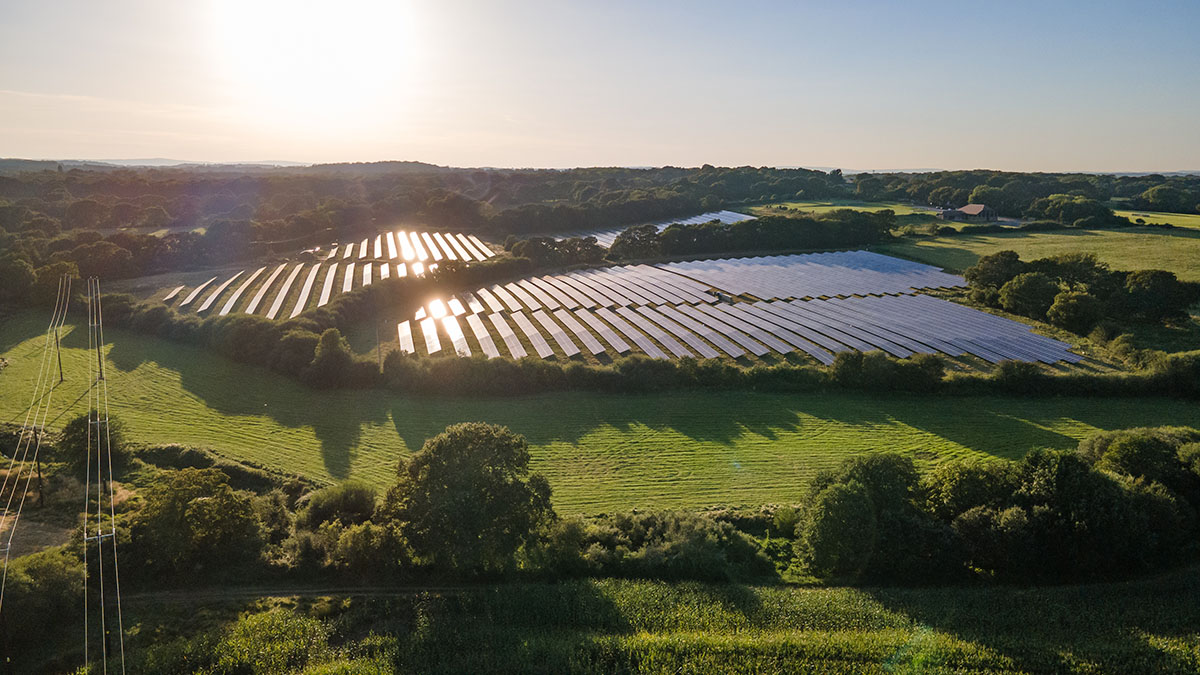
ESG in Action: Power from the panels: Profit with purpose with Eden Sustainable

ESG in Action: Top-down and bottom-up momentum: The next chapter of social mobility with SMBP

ESG in Action: Balancing the basket with the British Retail Consortium



Community, connection and collaboration - TLT and Forest Green Rovers FC
Placing sustainability at the heart of learning - TLT and the Ministry of Eco Education


A partnership for sustainable action: TLT and Belmont Estate
BNG - TLT and Belmont Estate talk nature positivity

What does the next generation of our cities look like?

